<
>
1 - 1


<
>
1 - 2




Wireless Nodal System

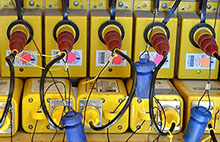
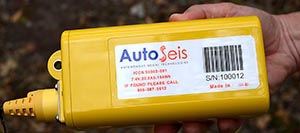
 You’ll be surprised to learn that few professional engineers from AutoSeis Inc. have designed the smallest and lightest autonomous seismic node called HDR-1C ( High Definition Recorder – 1C). The node is smaller than a GalaxyS III cell phone and it weights only 317 grams (0.7 lbs ). The node contains just a single circuit board which
  integrates custom CPU, broadband helical antenna and state of the art GPS receiver, highly accurate clock, ADC, 8Gb FLASH memory, MEMs for motion sensor, IR interface, USB, Color LEDs. Its power consumption is the lowest in the industry: <300mW. The circuit board is completely encased in resin which makes HDR-1C rugged and waterproof. The small size package is extremely tough that a car can run over it without damage. The node is simple, reliable, functional and perfect for seismic operations. This why today more than 140,000 nodes are recording seismic data around the world.
The HDR-1C advantages over the other existing nodal systems, go way beyond its small size and light weight :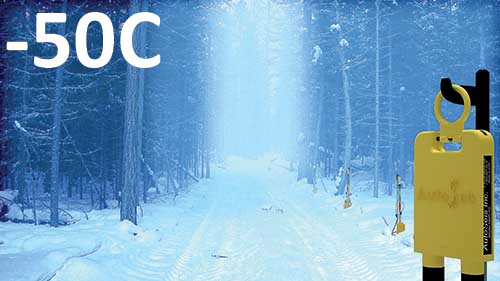
DOWN TO -50C EXTREME OPERATING TEMPERATURE:
HDR-1C has this unique specification. The low temperature tests are performed in laboratory conditions. The system has proven its performace in Alaska winter seismic operations. There is no other system which guarantees recording of seismic data in such low temperatures. Featuring the innovative single board technology, AutoSeis provides a simple solution to the challenges of effective seismic operations in the extreme Arctic.
RECORDING SCHEDULES: Selectable wake-up and sleep schedule
TIMING ACCURACY: HIGH … <25 microseconds
SAMPLING RATES: 1 or 2 ms
DATA FORMAT: SEGY, Receiver Gather on USB Disk
GLONASS AND GPS POSITIONING: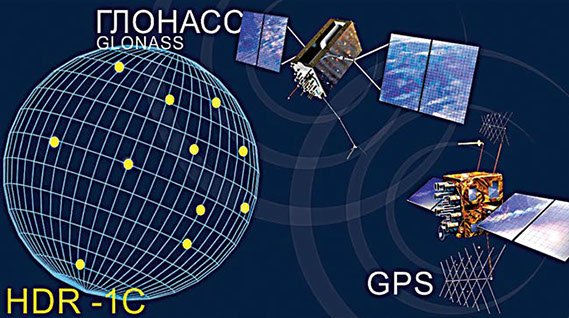
"Dual-core" location for AutoSeis system! GLONASS (for Globalnaya Navigatsionnay Sputnikovaya Sistema) is the Russian Federation's Global Navigation Satellite System – a network of 24 satellites. Any HDR-1C node is capable of accessing both satellite networks: GLONASS and the well-known Global Positioning System (GPS). Combined access to GPS and GLONASS can improve location accuracy, reliability and speed.
EVERYBODY CAN DEPLOY A HDR-1C NODE:
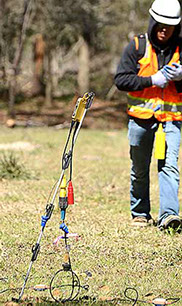
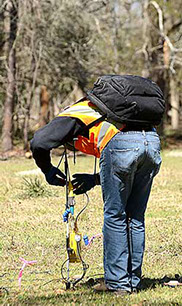
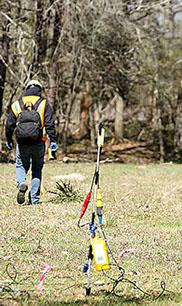
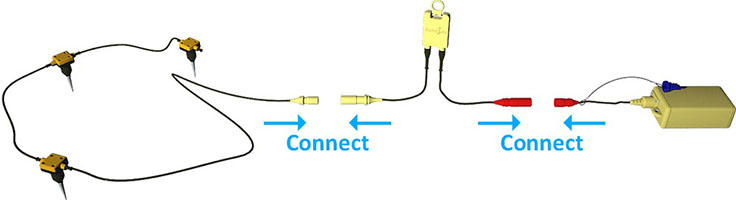
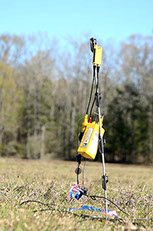
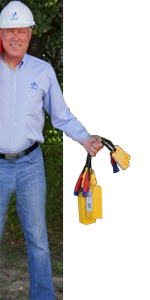
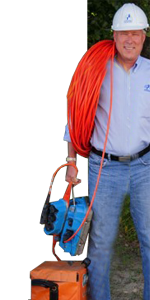
This is true! No special knowledge is needed! The training process takes less than 5 minutes and consists of connecting the battery and the geophone string to the HDR-1C and then hanging the node on the stick. This is it! The node is so “smart” that it does all the rest: it finds its own location, it does all necessary tests, it starts recording, calibrates the clock every 7 minutes using GPS and continuously records high quality seismic data.
IR INTERFACE:
The node can send spread noise measurements via radio. The field operator can use a laptop to check the battery status, run geophone tests and change the parameters.
EASY RETRIEVAL EVEN IN SNOW CONDITIONS:

 SnowDepth
 SnowDepth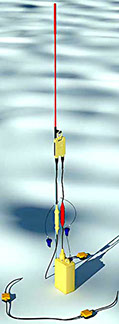
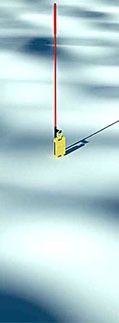
Each node hangs on a long stick during the deployment process. The vertical position of the HDR-1C case is preferable because it speeds up the satellite mapping process. In case of heavy snow during the recording period then the operator can easily locate and pick up the nodes because of the long stick.
32-BIT PERFORMANCE:
This is a clear break-through in expanding the dynamic range to 160 dB! HDR-1C is the only node which records seismic data in full 32-bit integer format (28 bits of effective seismic data). The noise floor is lower than a 24-bit AD converter.
8 GB MEMORY:
This memory size is capable of continuous recording single component seismic data at 2 milliseconds sampling rate for 85 days (12 hours/day mode).
BARCODES: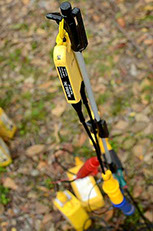
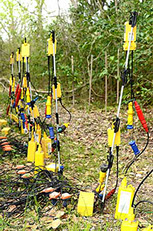
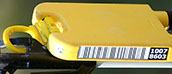
Each node has a unique barcode and the surveyor can scan it with a hand held device. The node number and its location information is useful for inventory purpose only. The precise GPS positioning information is recorded in the HDR-1C memory.
PROVEN FIELD TECHNOLOGY:
Now more than 100,000 nodes record seismic data in different environments, climates, temperatures, elevations and countries. The HDR-1C has proven to effectively work from the arctic through the forests, urban areas, deserts, mountains, transition zones, swamps, marshes to the jungles in South America. It even operates in lakes, placed on top of a buoy with connected hydrophone. The scalability of the AutoSeis system is practically unlimited because each node is absolutely autonomous.
LARGEST NODE COUNT CREW:
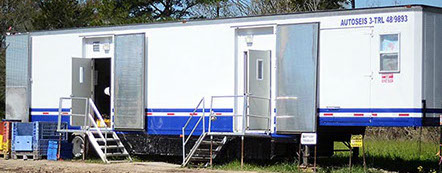
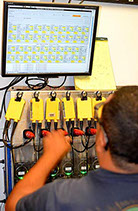
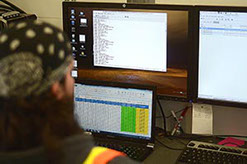
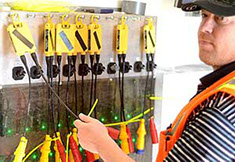
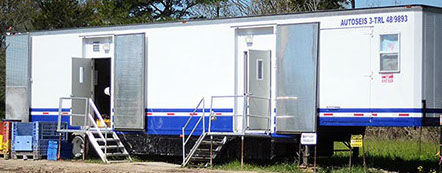
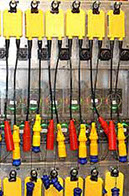
So far the largest field crew has 26,000 active nodes and this is not the limit of the channel count. This crew has only two small size downloading stations capable of transferring data from the nodes to the RAID. Three weeks of data from 80 HDR-1Cs can be downloaded in about 5 minutes. In this crew two large trailers contain all the equipment necessary for downloading the data,storing the data on RAID, processing the information and recording the output SEGY files. Most of the space is dedicated for charging the batteries: more than 1000 batteries/trailer/day.
BATTERY REQUIREMENTS: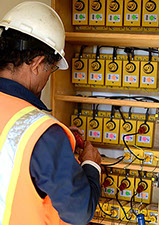
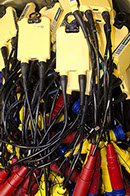
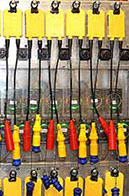
Any battery within the voltage range from 7V to up to 18V can be used for power supply to HDR-1C. AutoSeis recommends the use of li-ion batteries (154Wh to 308 Wh) for low temperature operations. The usual 20 amp hour lithium battery weights about 1.3kg (2.9lbs).
GEOPHONE STRINGS:
Any geophone string or any hydrophone can be connected to the node!
ACCELEROMETER:
The built-in accelerometer detects any node movements. Specific taps activate the LED signals indicating the node status
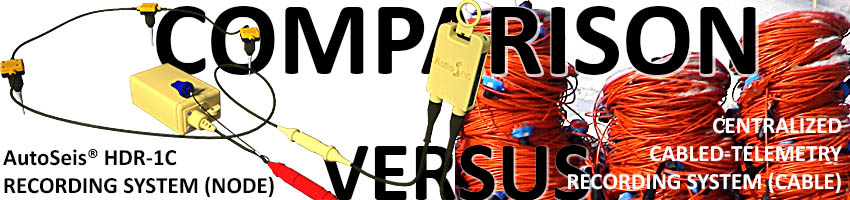 PRODUCTION:Most important is that the autonomous nodal crew’s average daily recording production is more than TRIPLE the production of the traditional cable telemetry crew.TROUBLESHOOTING:The node operations totally ELIMINATE the need of troubleshooting.EFFECTIVENESS IN DEPLOYING AND RETRIEVING:Each field operator can deploy and retrieve more than TWICE node stations than cable stations.FIELD TRANSPORTATION VEHICLES:Due to the small size and less weight of the node system it translates into field transportation needs of SMALLER size, SMALLER number of vehicles and much LESS fuel.
 RELIABILITY:
  Much less cables and connectors means much HIGHER reliability for the node system.HSE EXPOSURE:The use of node system has much LESS HSE EXPOSURE due to crew count reduction and simplified equipment transport logistics. Less equipment on the ground and fewer passes up and down the line.LINE CREARANCE:The use of node system may ELIMINATE or drastically REDUCE the need for receiver line clearance.ACQUISTION GEOMETRY:The nodal system is absolutely FLEXIBALE for any receiver station spacing. The spacing can be 30cm (1 ft.) or 1.6 km (1 mile) or 160 km (100 miles) … any spacing.SEISMIC RECORD LENGTH and PASSIVE SEISMIC:The nodal system continuously records seismic data and then the operator has the option to choose the record length on the output device. The recorded data during “non-shooting” periods could be used for passive seismic.REAL-TIME ACCESS TO SEISMIC DATA:This is the ONLY advantage that centralized cable system has over a nodal system. The past few years have proven that the largest fears associated with the absence of continuous monitoring in nodal seismic data recording are overestimated. The experience with autonomous recording after completing dozens of seismic surveys, is that data losses are less than traditional cable recording systems (<1%). The key to this performance is obviously the node reliability.Real-time noise monitoring is not so important because the HDR-1C has the unique benefit of true 32-bit recording and it records even the extremely weak signals in the presence of strong noise sources. Last but not least, while in the field, the HDR-1C nodes can be connected to radio communications if desired, for example if you check if there is background noise (for example from a train or farm equipment) close to receivers which are out of your line of sight. On top of this, the data processing technics for noise attenuation drastically reduce any seismic noise presence.CHANNEL CAPACITY:It is UNLIMITED for nodal system.EQUIPMENT WEIGHT:The nodal system has three to six times LESS weight than a cable system.CONCLUSION:
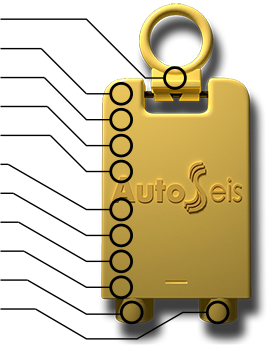 317 grams (0.7 lbs)10.2 X 7 X 2cm(4"X2"3/4X3/4)GPS/GLONASS32 bit continuous recording8 GB Flash memory-50C to +85CRugged and waterproofIR, MEMs LEDsRecording Schedule, testsBattery 7 to 18 VAny Geophone stringIf you are seriously interested in effective seismic data acquisition, which includes high profitability, high competitivety, high active channel counts with reliable data recording, less vehicles and personnel presence in the field, less HSE exposure, eliminating receiver lines clearance, operating in all type of land environments including extreme artic with -50C, recording much more seismic data per day for less, then you should consider to use of AutoSeis® HDR-1C autonomous nodal recording system. HDR-1C is proven nodal technology with many advantages in recording high-quality seismic data.
2013  AwardforENGINEERING INNOVATION
 Ralph Muse, President of AutoSeis, is the architect of High Definition Recorders (HDR) – a high technological achievement in land wireless seismic recording devices. Much of his career has been in the field data communications - CEO of NextNet Wireless, COO of the wireless internet company Metricom Inc, and Senior Vice President of Land Imaging Systems Division at Input Output (now INOVA). It is ironic that HDR-1C doesn’t have any radio communication. Mr. Muse says, “Everything must be as simple and reliable as possible, no cables and no radios.”
Xclose
Xclose
Xclose
Español
Serán sorprendidos de oír que unos ingenieros profesionales de AutoSeis Inc. Han diseñado el nodo sísmico autónomo mas chico y liviano nombrado HDR-1C (grabador de alta definición – 1C). El nodo es mas chico que el teléfono móvil GalaxyS III y pesa solo 317 gramos (0.7 lbs). El nodo contiene solo una tarjeta de circuitos que integra un CPU hecho a medida, una antena helicoidal de banda ancha y receptor GPS de vanguardia, reloj de alta precisión, ADC (convertidor analógico-digital), memoria flash de 8 Gb, MEMs para sensor de movimientos, interfaz IR (infrarroja), USB, LEDs de color. Su consumo de electricidad es el mas bajo en la industria: < 300 mW. La tarjeta de circuitos esta completamente encapsulada en una resina, lo cual hace que el HDR-1C sea rígido e impermeable. El envase de tamaño pequeño es tan resistente que un coche puede pasar por encima sin dañarlo. El nodo es simple, confiable, funcional y perfecto para operaciones sísmicas. Por eso, ya mas que 100 000 nodos están grabando datos sísmicos en el mundo.
Las ventajas del HDR-1C sobre los otros sistemas nodales existentes van mas alla que su tamaño pequeño y su peso liviano:
Hasta -50 ˚C de temperatura operacional extrema: El HDR-1C tiene esta especificación única. Las pruebas de baja temperatura están hechas en un laboratorio. El sistema ha demostrado su funcionamiento en operaciones sísmicas durante el invierno en Alaska. No existe otro sistema de este tipo que garantice grabación de datos sísmicos a temperaturas tan bajas. Usando la tecnología innovadora de una tarjeta de circuitos, AutoSeis da una respuesta simple a los desafíos de operaciones sísmicas efectivas en el Ártico extremo.
- Programa de grabación: programa seleccionable para despertarse y dormirse;
- Precisión de coordinación del tiempo: Alta … < 25 microsegundos;
- Frecuencia de muestreo: 1 o 2 milisegundos;
- Formato de los datos: SEGY guardado en memoria USB.
- Posición con GLONAS o GPS: localización “dual-core” para el sistema AutoSeis! GLONAS (o Globalnaya Navigatsionnay Sputnikovaya Sistema) es el sistema de navegación satelital global de la Federación Rusa – una red de 24 satélites. Cada HDR-1C puede acceder a las dos redes: GLONAS y el conocido Sistema de Posicionamiento Global (GPS). El acceso combinado a la GPS y a la GLONAS puede mejorar las precisión de la localización, la fiabilidad y la velocidad..
- Cada uno puede instalar en el campo el nodo HDR-1C: es verdad! No se necesita ningun conocimiento especializado. El proceso de entrenamiento cuesta menos que 5 minutos y consiste en conectar la batería y la cadena de geófonos al HDR-1C y después en colgar el nodo al soporte. Esto es todo! El nodo es tan “inteligente” que el hace todo el resto: encuentra su posición, hace todas las pruebas necesarias, empieza la grabación de datos, calibra el reloj cada 7 minutos usando GPS y continuamente esta grabando datos sísmicos de alta calidad.
- Interfase IR: El nodo puede transmitir medidas del ruido por radio. El operador en el campo puede usar una laptop para controlar el estado de las baterías, hacer chequeos de los geófonos y cambiar los parámetros.
SnowDepthSnowDepth- Recuperación fácil también en condiciones con nieve: Durante la instalación en el campo, cada nodo esta colgado en un soporte alto. La posición vertical de la caja del HDR-1C es preferible, porque acelera el proceso de mapeo satelital. En caso de nieve fuerte durante el periodo de grabación, el operador puede fácilmente localizar y retirar los nodos por su alto soporte.
- Rendimiento 32-bit: Esto es un break-through evidente en el ensanchamiento del intervalo dinámico hasta 160 dB! HDR-1C es el unico nodo que puede grabar datos sísmicos en formato entero de 32-bit completo (28 bits de datos sísmicos efectivos). El fondo del ruido es mas bajo que el del convertidor A/D de 24 bits.
- 8 GB de memoria: Este tamaño de memoria es capaz de realizar la grabación continua del canal simple sísmico con muestreo de 2 milisegundos durante 85 días (modo de 12horas/día).
 - Código de barra: Cada nodo tiene un código de barra único y el operador puede escanearlo con un aparato de mano. El numero del nodo y su información local son útiles solo por motivos de inventario. La información precisa de la posición GPS esta grabada en la memoria del HDR-1C.
- Tecnología de campo probada: Ya mas de 100000 nodos están registrando datos sísmicos en diferentes ambientes, climas, temperaturas, alturas y países. El HDR-1C ha probado que puede hacer su trabajo efectivamente desde el Ártico, por bosques, áreas urbanas, desiertos, montañas, zonas de transición, pantanos, charcas, hasta las junglas de America del Sur. Hasta opera en lagos, puesto en una boya con hidrófono conectado. La escalabilidad de la sistema AutoSeis es prácticamente ilimitada porque cada nodo es absolutamente autónomo.
- Conjunto de números de nodos mas grande: Hasta ahora, el conjunto de campo mas grande consiste de 26000 nodos activos y esto no es el limite del número de canales. Este conjunto tiene solo dos estaciones de bajada de datos de tamaño chiquito capaces de generar transferencia de datos de los nodos a los RAID. Tres semanas de datos de 80 HDR-1C pueden ser bajadas en aproximadamente 5 minutos. En este conjunto, dos remolques grandes contienen todos los aparatos necesarios para bajar los datos, guardar los mismos en el RAID, procesando la información y grabando los archivos SEGY. La mayoría del espacio esta dedicada al cargador de baterías: mas de 1000baterias/remolque/dia.
- Parámetros de las baterías: Cualquier batería con voltaje desde 7 V hasta 18 V puede ser usada para alimentar el HDR-1C. AutoSeis recomienda el use de baterias li-ion (154 Wh hasta 308 Wh) aptas para operaciones en bajas temperaturas. La batería promedia de litio de 20 amph pesa aproximadamente 1.3 kg. (2.9 lbs).
- Cadena de geófonos: Cualquier cadena de geófonos o hidrófonos puede ser conectada al nodo!
- Acelerómetro: El acelerómetro incorporado detecta cada movimiento del nodo. Un golpecito especifico activara la señal LED indicando el estado del nodo.
Producción: Lo mas importante es que la producción de grabación diaria promedio del grupo del campo del sistema nodal es mayor al TRIPLE de la del grupo de campo del sistema con cables tradicional.Resolución de problemas técnicos: La operación del nodo ELIMINA completamente la necesidad de localización y resolución de problemas técnicos.Efectividad durante la instalación y la recuperación: Cada operador de campo puede instalar y recuperar mas que el DOBLE de estaciones nodales que estaciones con cables.Vehiculo para transporte en el campo: El pequeño tamaño y el peso liviano del sistema nodal significa que se necesitan MENOS vehículos para transporte, siendo además, de MENOR tamaño y con MENOR consumo de gasolina.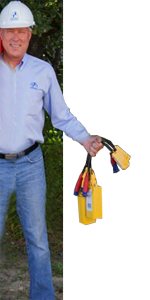
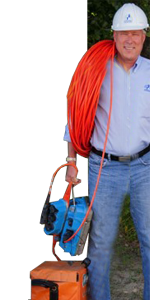 Fiabilidad: Mucho menos cables y conectores significa fiabilidad MAS ALTA del sistema nodal.Seguridad y medio ambiente: La utilización del sistema nodal significa MENOS riesgos por tener menos miembros en los grupos de trabajo y logísticas mas sencillas para transportar los equipos. Menos equipos el la tierra y menos recorridos a lo largo de las líneas de receptores sísmicos.Limpieza y remoción: La utilización del sistema nodal puede ELIMIAR o REDUCIR drásticamente la necesidad de limpieza y remoción de las líneas de los receptores sísmicos.Geometría de la adquisición: El sistema nodal es absolutamente FLEXIBLE para cualquier distancia entre los receptores sísmicos. La distancia puede ser 30 cm (1 ft), o 1.6 km (1 mile), o 160 km (100 miles)… cualquiera.Longitud de la grabación y sísmica pasiva: El sistema nodal esta grabando continuamente los datos sísmicos y el operador tiene la opción de elegir la longitud de la grabación en el dispositivo de salida. Los datos grabados durante los periodos entre disparos podrán ser usados para sísmica pasiva.Acceso a los datos sísmicos en tiempo real: Esta el la única ventaja que tiene el sistema centralizado con cables sobre el sistema nodal. Durante los últimos años se ha probado que las inquietudes mas grandes, asociadas con la ausencia de monitoreo continuo en la grabación nodal de datos sísmicos, son sobreestimados. La experiencia con la grabación autónoma, después de la terminación de docenas de estudios sísmicos, es que las perdidas de datos son menos que las ocurridas con sistemas de grabaciones tradicionales con cables (< 1%). La clave de este rendimiento se encuentra, obviamente, en la fiabilidad del sistema nodal.El monitoreo del ruido en tiempo real no es tan importante por el beneficio único del HDR-1C de contar con grabación de 32 bit que graba incluso las señales mas débiles en presencia de fuentes de ruido fuerte. Por ultimo, pero por ello no menos importante, si uno desea, durante su uso en le campo, la información del HDR-1C puede ser transferida por radio, por ejemplo cuando uno controla si el ruido ambiental (como de trenes o maquinaria de granja) se encuentra cerca de receptores sísmicos que están fuera de la línea de percepción visual. Además, las técnicas de procesamiento para atenuar el ruido drásticamente reducen la presencia del mismo.Numero de canales: Para el sistema nodal es ILIMITADO.Peso del equipo: El sistema nodal pesa de tres y hasta seis veces MENOS que el sistema con cables.317 grams (0.7 lbs)10.2 X 7 X 2cm(4"X2"3/4X3/4)GPS/GLONASS32 bit continuous recording8 GB Flash memory-50C to +85CRugged and waterproofIR, MEMs LEDsRecording Schedule, testsBattery 7 to 18 VAny Geophone stringConclusión: Si usted esta interesado seriamente en una adquisición de datos sísmicos efectiva, con alta competitividad, alto numero de canales activos con grabación de datos fiable, menos vehículos y personal en el campo, menos riesgos para la seguridad y el medio ambiente, eliminación de la limpieza y remoción para las líneas de los receptores sísmicos, operación en todos los tipos de ambientes de campo (incluso en el ártico con temperaturas extremas de -50°C), grabación de mucho mas datos sísmicos por día por costo menor; entonces usted debería considerar usar el sistema de grabación nodal autónoma AutoSeis® HDR-1C. El HDR-1C es tecnología nodal probada con muchas ventajas en la grabación de datos sísmicos de alta calidad.
PREMIO 2013INOVACION EN INGENERIA
Ralph Muse, President of AutoSeis, is the architect of High Definition Recorders (HDR) – a high technological achievement in land wireless seismic recording devices. Much of his career has been in the field data communications - CEO of NextNet Wireless, COO of the wireless internet company Metricom Inc, and Senior Vice President of Land Imaging Systems Division at Input Output (now INOVA). It is ironic that HDR-1C doesn’t have any radio communication. Mr. Muse says, “Everything must be as simple and reliable as possible, no cables and no radios.”
Contacto en México:
Manuel Gutkowski
Calle Hacienda El Colorado 213
Colonia Jardines de la Hacienda
Queretaro, Queretaro 76180
México
Tel.: 0052 442 2092765
0052 442 2220917
E-mail: manuelgutko@gmail.com
Contacto en Argentina:
Dr. Deyan Draganov
Andonaegui 1896
Buenos Aireas 1431
Argentina
Tel.: +541139666959
E-mail: d.s.draganov@tudelft.nl
For more information please visit www.autoseis.net
You’ll be surprised to learn that few professional engineers from AutoSeis Inc. have designed the smallest and lightest autonomous seismic node called HDR-1C ( High Definition Recorder – 1C).

AUTONOMOUS NODAL TECHNOLOGIES
You’ll be surprised to learn that few professional engineers from AutoSeis Inc. have designed the smallest and lightest autonomous seismic node called HDR-1C ( High Definition Recorder – 1C). The node contains just a single circuit board which integrates custom CPU, broadband helical antenna and state of the art GPS receiver, highly accurate clock, ADC, 8Gb FLASH memory, MEMs for motion sensor, IR interface, USB, Color LEDs. ...
Xclose
 << >
<< >
Marine Seismic Sources
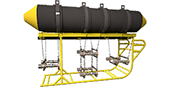
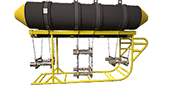
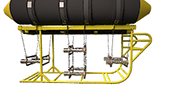
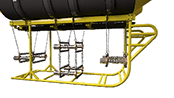
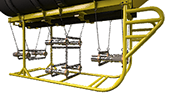
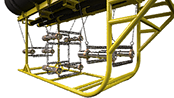
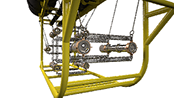
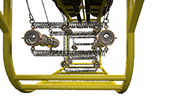
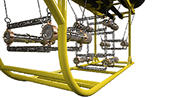
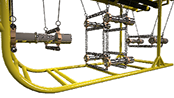
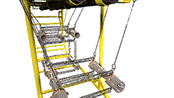
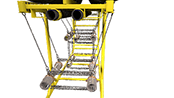
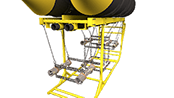
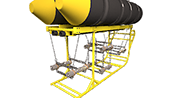
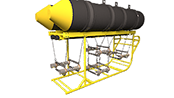
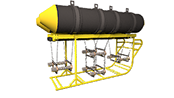
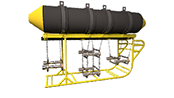
 For over 25 years, SeaSCAN has developed multiple marine seismic source arrays including the patented Tri-Cluster airgun array. The Tri-Cluster airgun array has evolved into a proven and reliable marine seismic energy source suitable for many survey applications including conventional seismic acquisition (2D and 3D); high-resolution engineering seismic; VSP’s (Vertical Seismic Profile); and reservoir monitoring applications. The Tri-Cluster airgun array is a unique three-dimensional, scalable, heavy centered symmetrical marine seismic energy source suitable for use in all water depths. Tri-Cluster’s sequential gun timing and shock-mounted gun suspension offers the most repeatable, most symmetrical energy source on the market, in a rigid, easily transported and deployed frame mount. The unique three-dimensional source array endows Tri-Cluster with many excellent attributes not present in a conventional tapered linear airgun array (streamers), and overcomes many of the undesirable features of linear arrays. SeaSCAN’s Tri-Cluster offers significant benefits in a number of growing market areas such as: Time Lapse Seismic (4D and 4C), Vertical Seismic Profiling, High Resolution Imaging, Transition Zone and Shallow Water Seismic. Low maintenance is enhanced even more by use of a single gun type, which reduces the spares requirement. Technically, not only is the Tri-Cluster array more repeatable than conventional source arrays it also has the following advantages: Better directionality, Better repeatability, and Consistent gun interaction/coalescing.


















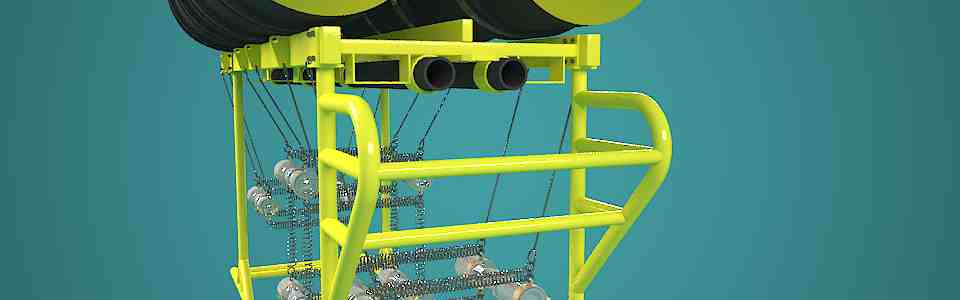
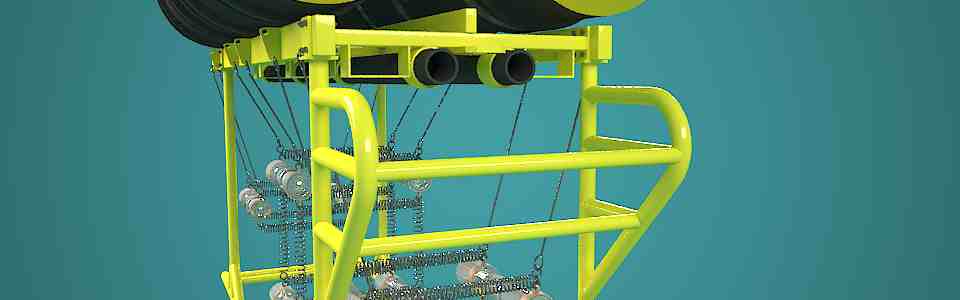
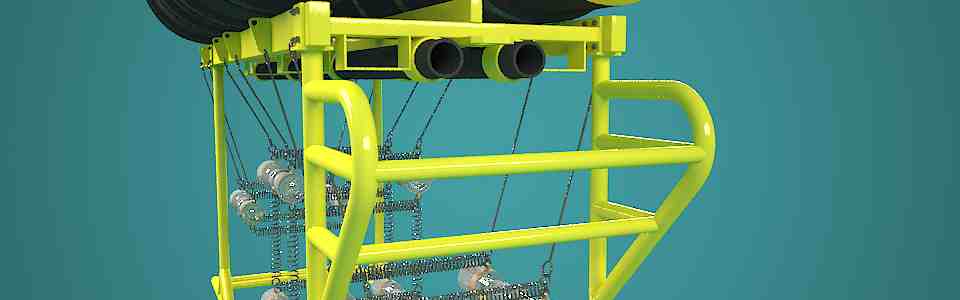
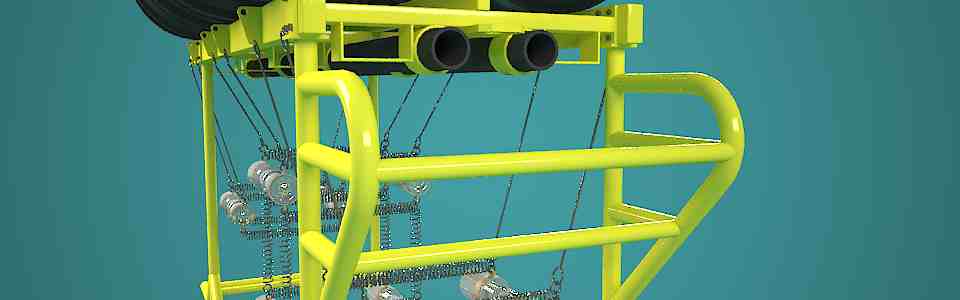
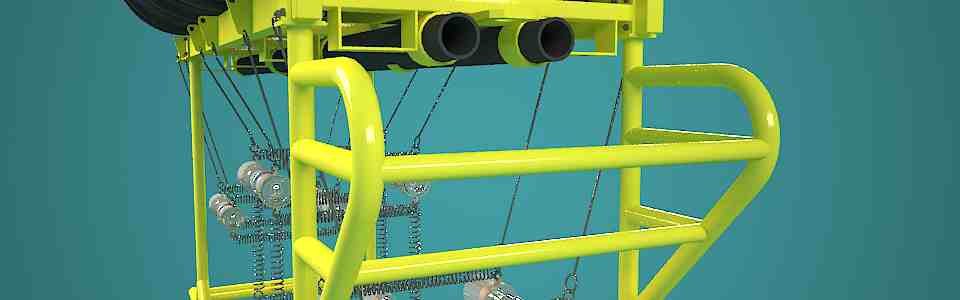
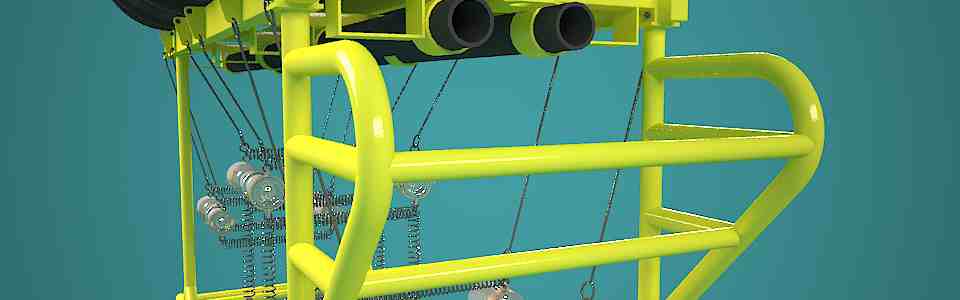
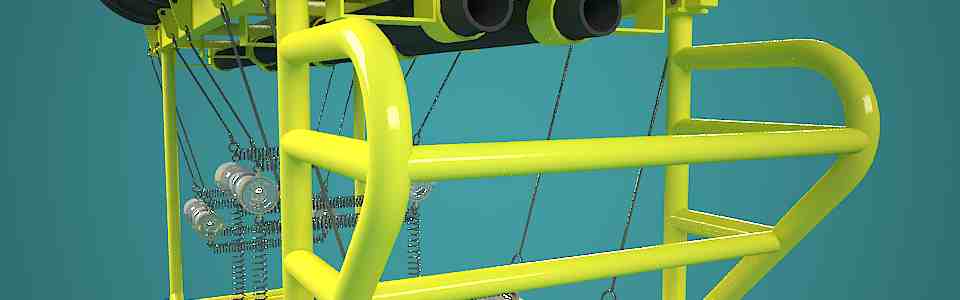
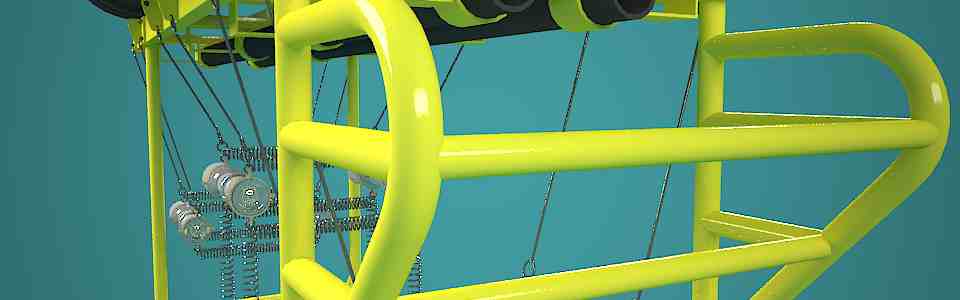
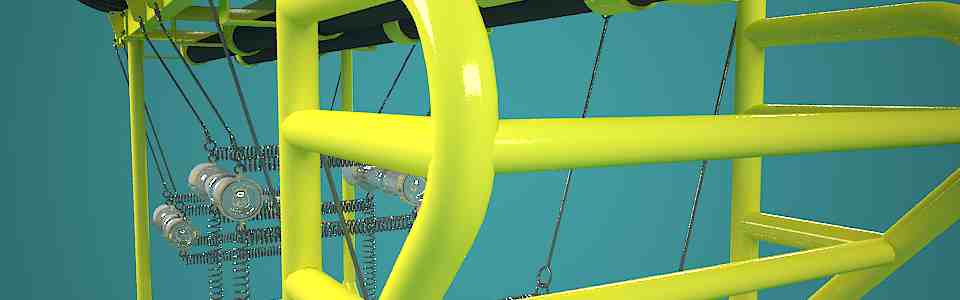
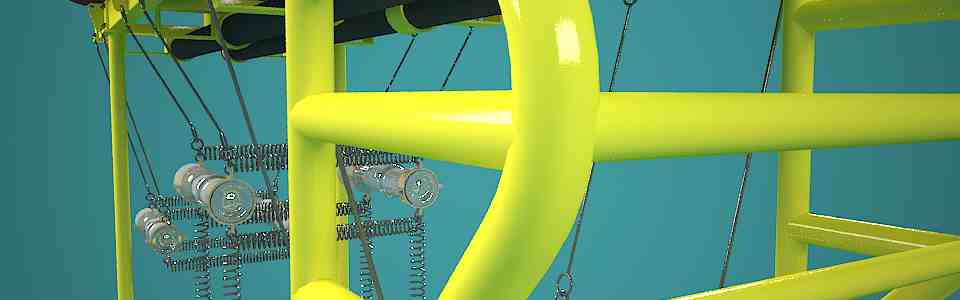
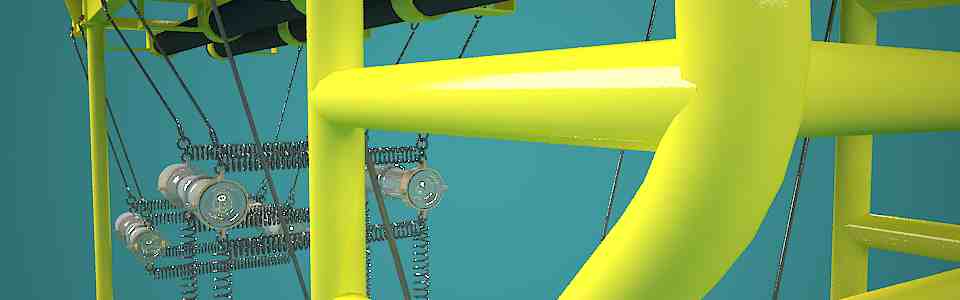
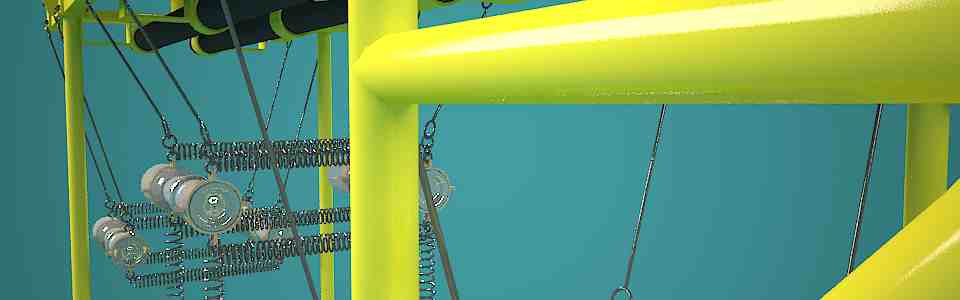
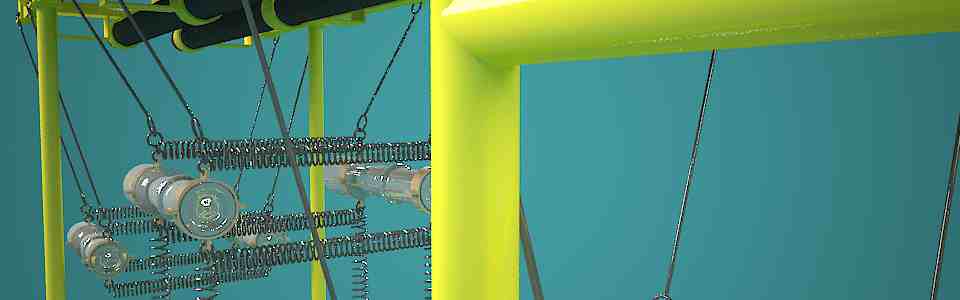
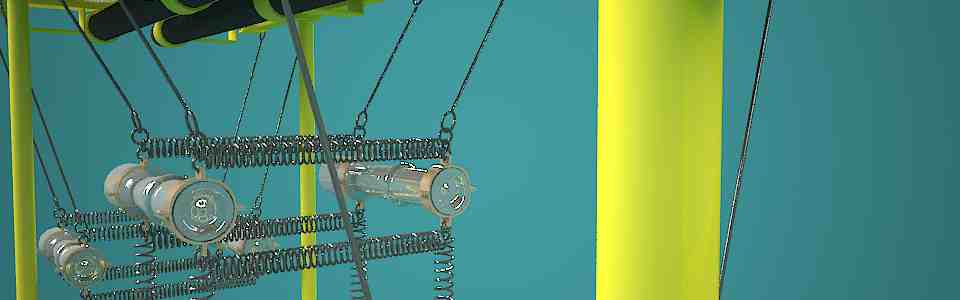
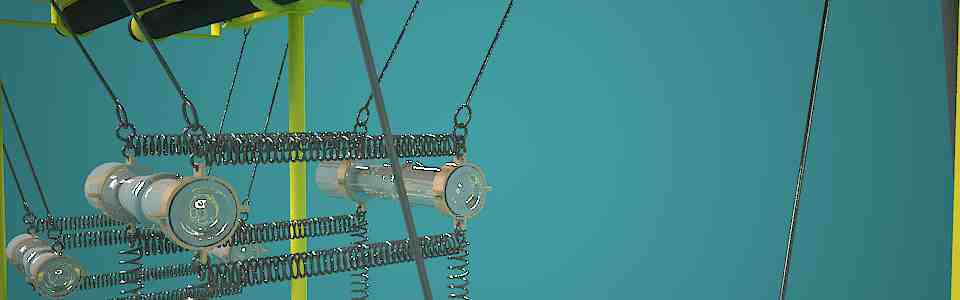
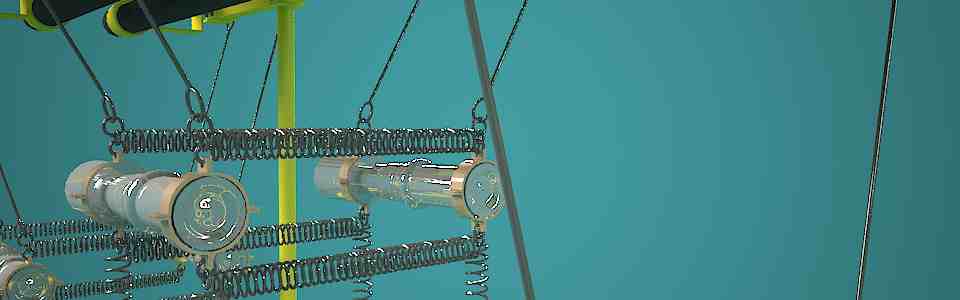
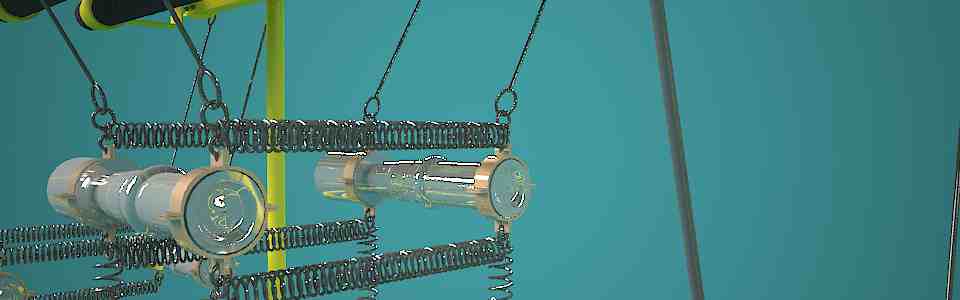
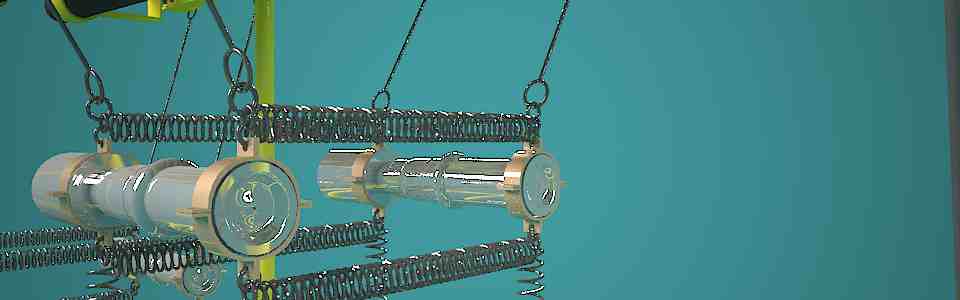
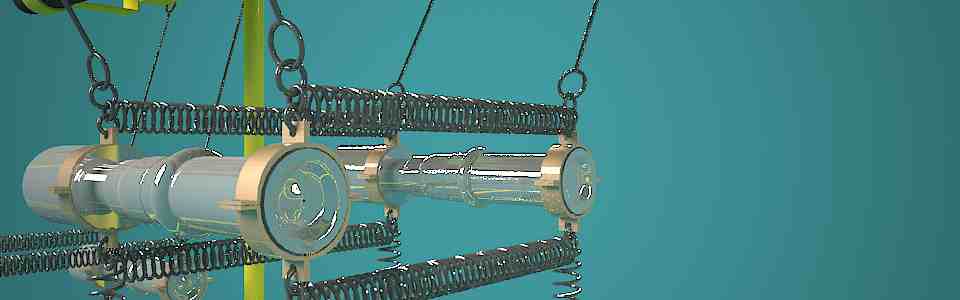
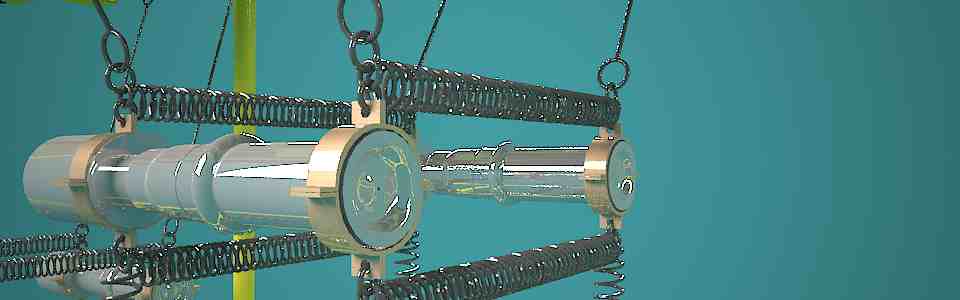
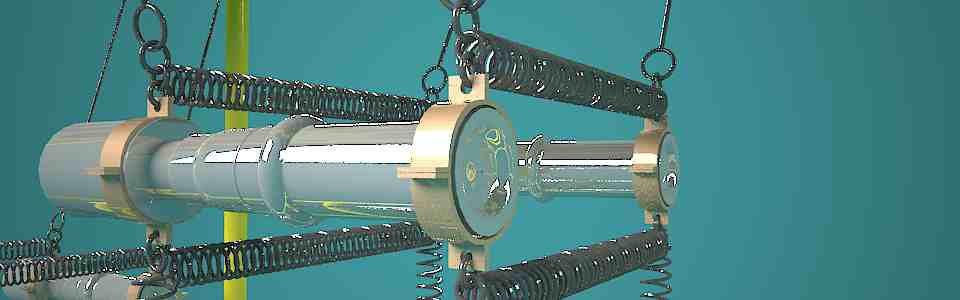
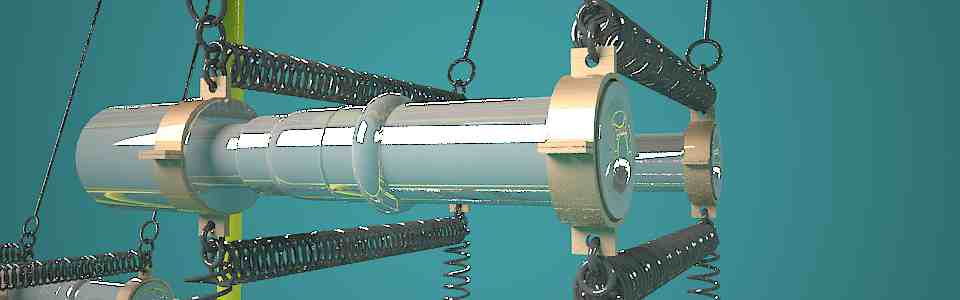
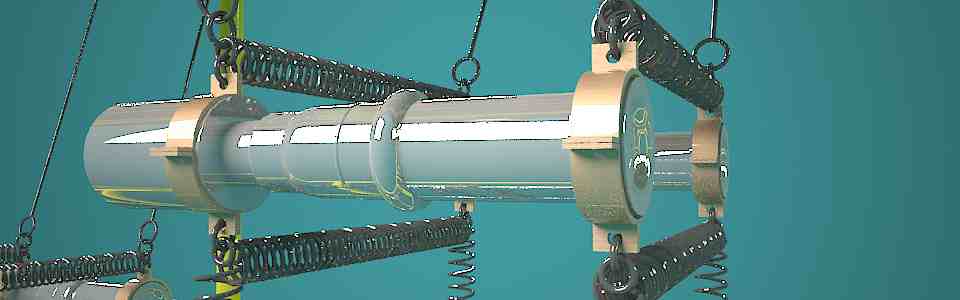
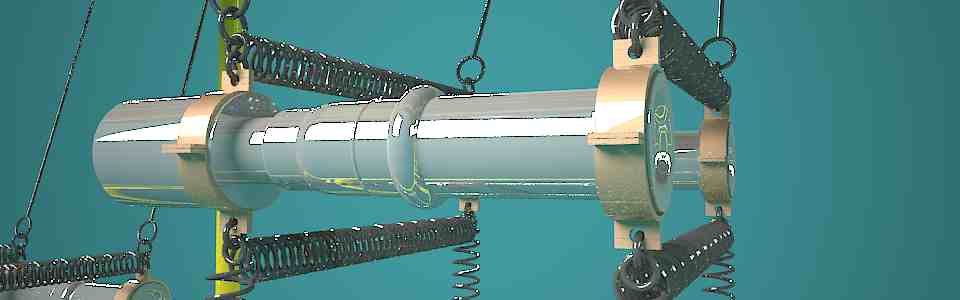
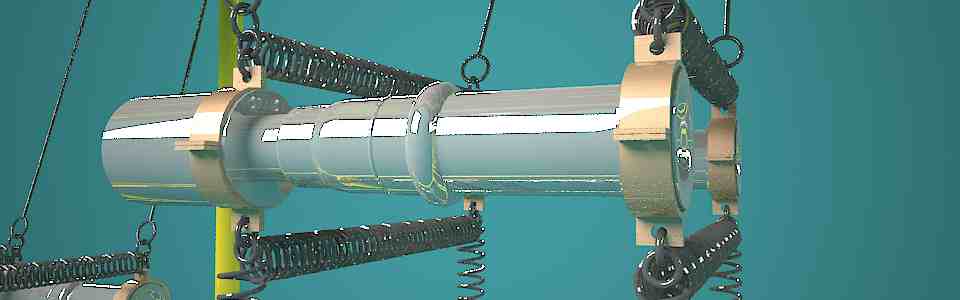
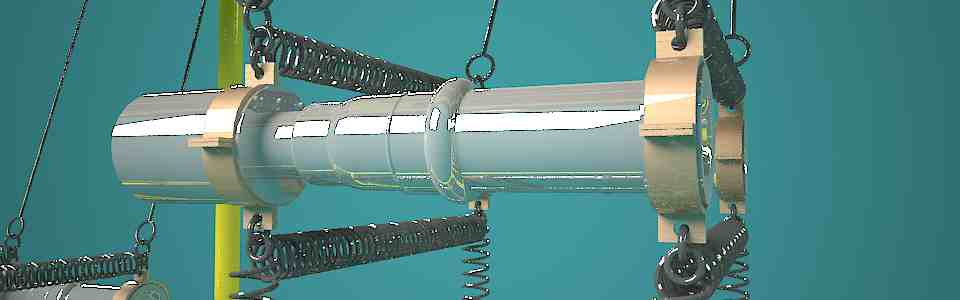
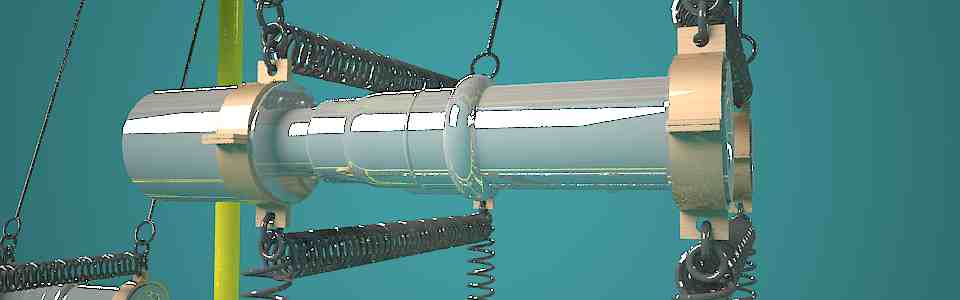
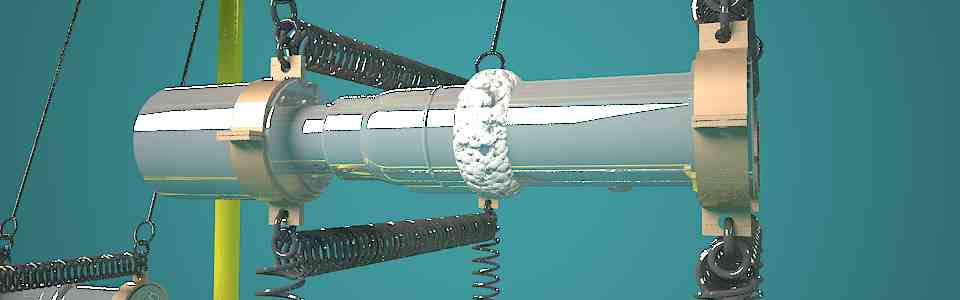
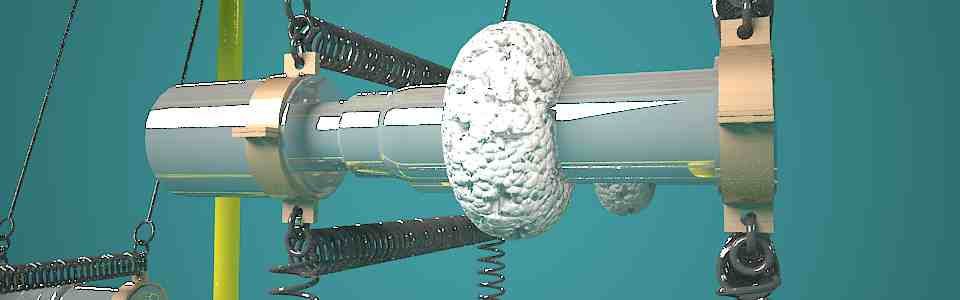
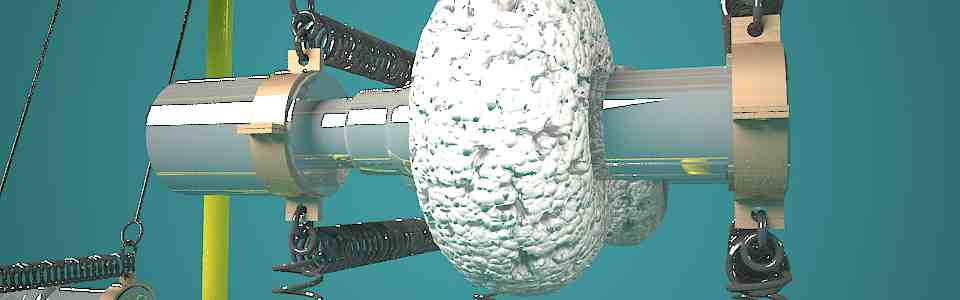
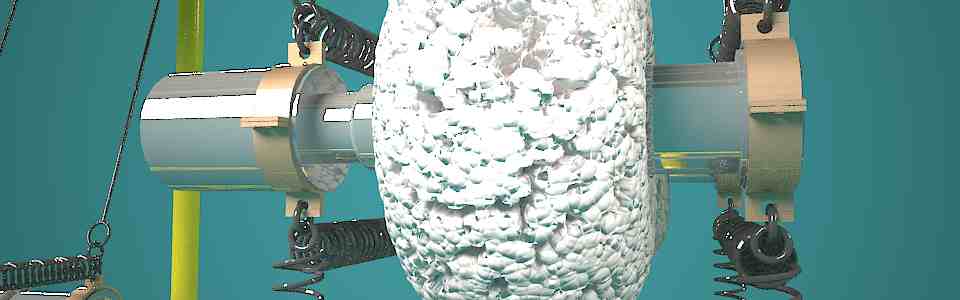
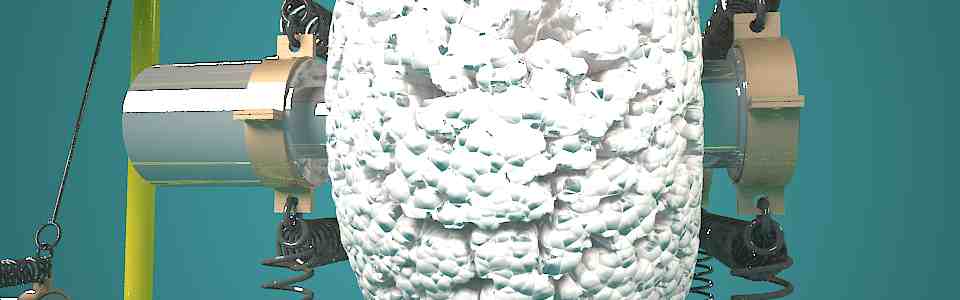






















 The product line includes Tri-Cluster. Mini Sled, H Frame, USW (Ultra Shallow Water) 220 Array, USW440, Airmaster A-300, Vertical Stacked Array, Gun Control System, SeaSCAN Source Array Air Control System, SeaSCAN Source Array Air Distribution and Regulator System, 100 SCFM Ingersoll Rand Self Contained Compressors, SeaSCAN Hydraulic Control Pedestal for the Launch and Recovery System, SeaSCAN Self Contained Portable Power Pack to Support Overhead Rail Launch and Recovery System, Overhead Rail Launch & Recovery System, SeaSCAN Surge Tank. More information about the above-mentioned products you can find at www.seascanseismic.com/products.html. SeaSCAN regularly provides custom source packages to meet client needs. If you have a special source requirement, please contact us
 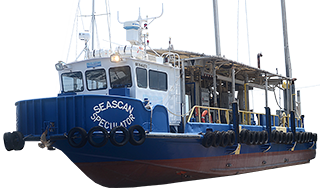 Vessel: SeaSCAN has its own Shallow water Seismic source vessel – SeaSCAN Speculator. Due to vessel’s lightweight construction, it could be easily shipped as deck cargo anywhere globally
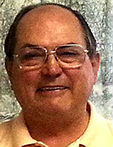 Harold BarberFounder and President of SeaSCAN More information you can find at www.seascanseismic.com/vessels.html.
Xclose
Xclose
SeaSCAN marine seismic source systems
and services.
SeaSCAN has the flexibility to quickly design, fabricate, and test special marine seismic source client requirements.
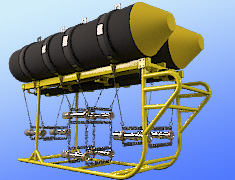 SeaSCAN marine seismic source systems and services.
SeaSCAN has the flexibility to quickly design, fabricate, and test special marine seismic source client requirements. Our role as a service provider in the exploration sector varies greatly depending on our clients needs. SeaSCAN has the experience and resources to provide everything from a highly portable modular shallow water tuned array, used in the shallow water theater with emphasis on OBC, Nodes and transition zone work, to an all inclusive shooting package to include platform, navigation, geophysical equipment and personnel for use in deeper water arenas.
Xclose

Seismic Quality Control System
Xclose
Xclose

QualSeis™ and QualSeis™ 64
SEISMIC DATA QUALITY ASSURANCE
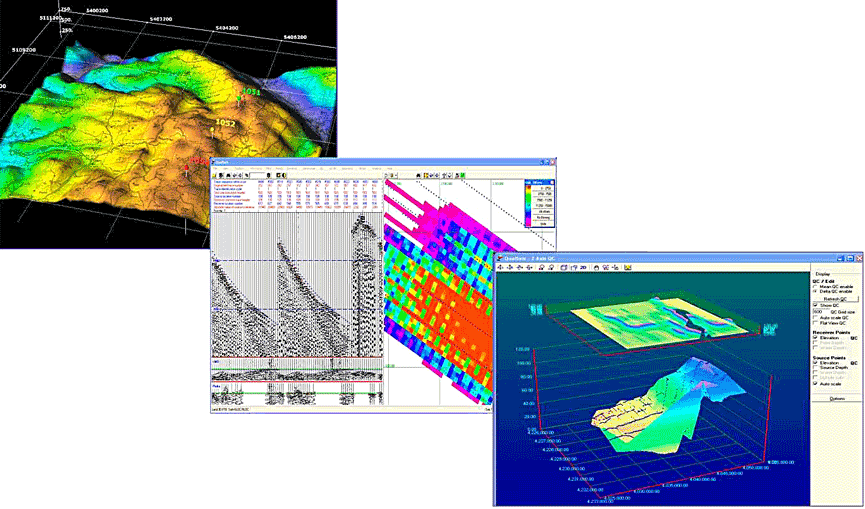
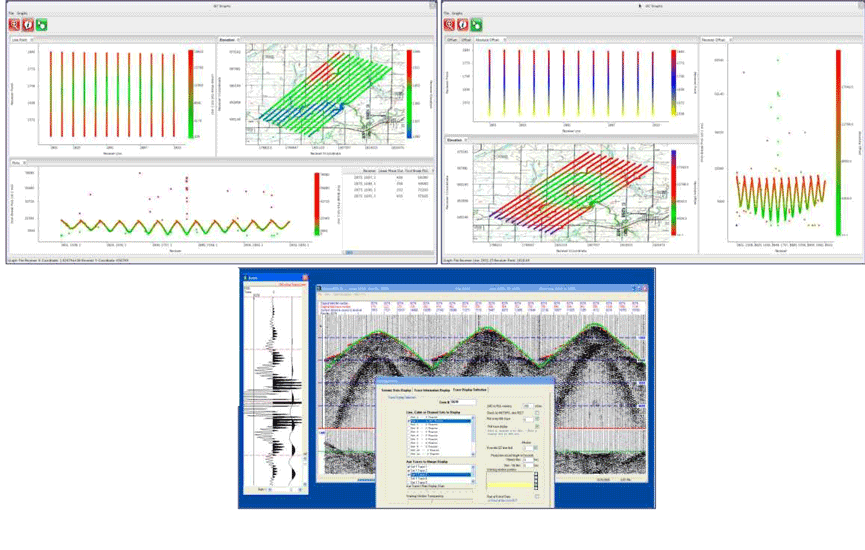
QualSeis™ is a trademark of Beltway Seismic, Inc. and is our featured 2D / 3D Seismic Data Analysis & Geometry QC System, the solution that delivers accurate post acquisition positioning in the field or in processing.
QualSeis™ enables the user to handle multiple tasks before, during and after data acquisition. Just to hit on a few key features, QualSeis™ handles: Automatic analysis and QC of shot or receiver positions or do it manually via the interactive map / trace relationship; Interactive vertical axis QC and corrections; Geodetic transformations and conversions (e.g., apply GPS vib positions to data in local grid); Build brute stacks - on 3D surveys select arbitrary lines to stack; as well as trace edits, kills, reverse, filter, scale and first break picks. Trace and geometry work can be done in SegY or SegD and output in either format.
QualSeis™ can import navigation files from alternate systems and display them as overlays on the map, paving the way for merging geometry from input to trace headers or outputting it in SPS datasets. QualSeis™ is the answer to XYZ orientation on 3 component sensors, remapping SegY header word positions to Client specs on output and outputting SegD shots from receiver gather inputs. Among many key features, remapping of SegD header words to SegY header positions on input is just one of many valuable tools packaged within QualSeis™.
BeltwayTranscribe & Beltway_21
TRANSCRIPTION SYSTEMS & SERVICES
Beltway_Transcribe and Beltway_21 are both Windows-based, high performance tape transcription systems. Both systems are presently utilized by tape transcription companies around the world. These software packages are efficient and user friendly. Beltway_21 Track Tape Transcription Software is custom designed for our new generation, desktop 21 Track Drives.
Formats: SegA, SegB, SegC, SegD, SegY, DISCO, Globe 4000, PELCO, Petty-Ray TEMPUS, Progress-2, Progress-4, SDS-1010, Sercel 328, Summit-1, W Code 2, W Code 4, EBCDIC or ASCII, Bit to Bit, User Defined Trace Sequential, Various Major Oil Company's Internal Formats ♦ 21 Track Formats: Leach Binary Gain 24 Channel, Texas Instruments DFS III, DFS IV, TI 9,000 / 10,000, TIAC, Sercel Binary & Variable Gain Dual Scan Systems.
In-house seismic tape transcription services are available including unique geometry applications.
More information you can find at www.beltwayseismic.com
With over 35 years of experience in geophysical data acquisition, processing, and programming, Beltway Seismic, Inc. is focused on producing the highest quality seismic data analysis and...
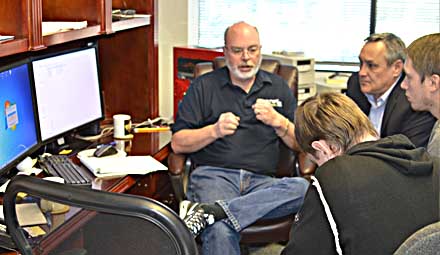
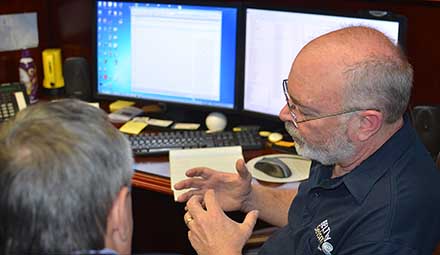
With over 35 years of experience in geophysical data acquisition, processing, and programming, Beltway Seismic, Inc. is focused on producing the highest quality seismic data analysis and geometry quality control systems. Beltway Seismic provides QC, data reformatting and preprocessing software as well as custom programs which not only provide their clients with increased productivity but ensure their processing quality is not compromised due to poorly formatted or incorrectly positioned data. The QC, preprocessing and reformatting program QualSeis™ is available in Windows or Linux and our Beltway_Transcribe and Beltway_21 seismic data transcription products are Windows based. Custom solutions are available on almost any platform.
Xclose

Three Business Segments
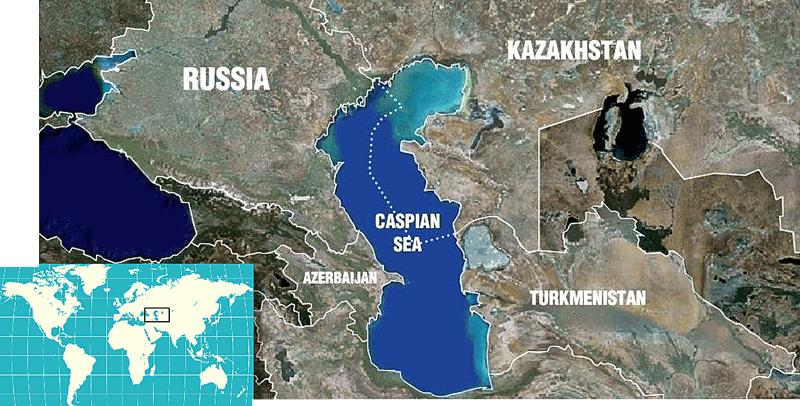
Caspian Services Inc. has been a leader in the onshore and offshore oil service sector in Kazakhstan since 1999. The activities are currently focused on the following three directions:
• Marine Services
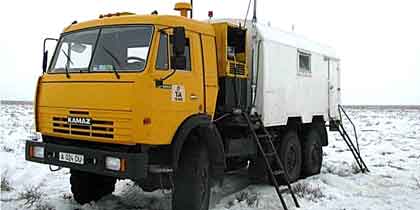
With a fleet of 15 shallow draft vessels ranging from accommodation and work barges capable of entering waters as shallow as 1.7 meters to marine seismic source vessels capable of working in more than 2 meters deep waters, Caspian Services Inc. is at the forefront of the industry in the Republic of Kazakhstan. Every vessel in the fleet meets international safety standards as well as the demanding environmental standards of the Republic of Kazakhstan. The crews include some of the most experienced seamen in Kazakh waters and the company’s senior management understands the demands and expectations of the oil and gas industry. The fleet includes the following type of vessels: accommodation platforms, tugs, supply vessels, layout/pickup vessels, crew transportation vessel, ultra shallow spill response crafts and multicast.
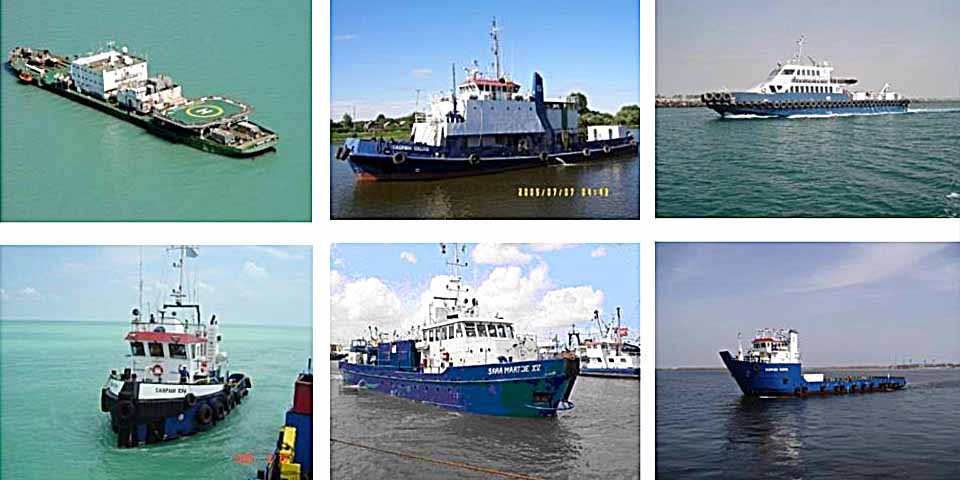
• Seismic Data Acquisition Services
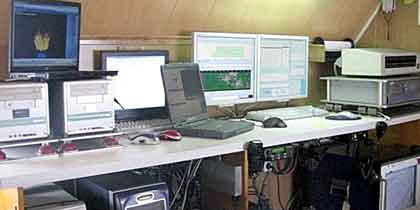
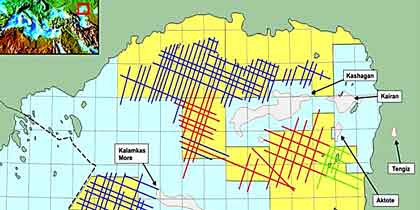
Tat-Arka LLP, a wholly owned subsidiary of Caspian Services Inc., enjoys a strong reputation in Kazakhstan for providing quality seismic acquisition services for both international and local oil and gas exploration companies. Tat-Arka LLP specializes in onshore seismic surveys and to date has focused its work on the oil rich western regions of Kazakhstan.
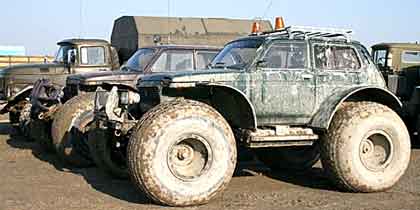
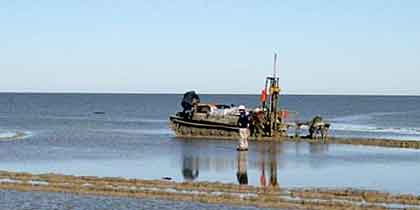
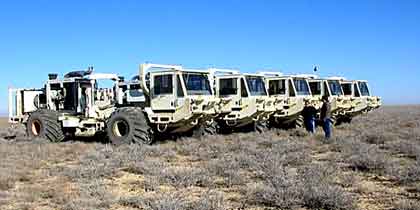
• Marine infrastructure
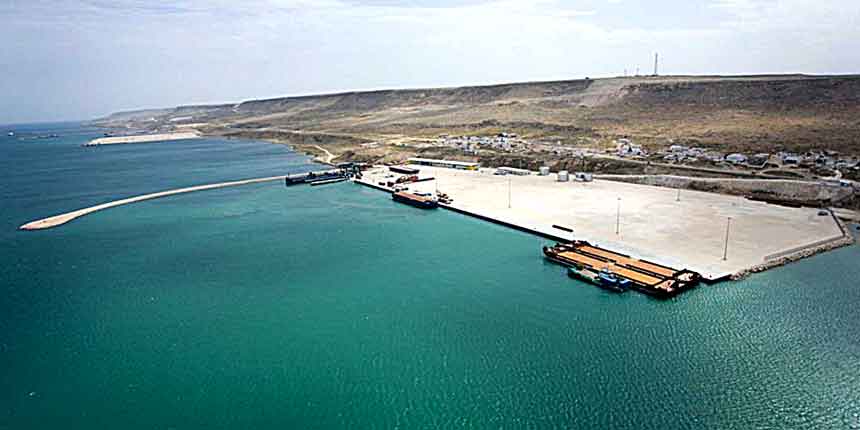
Caspian Services Inc. is in process of construction of a marine supply base in the port of Bautino, Kazakhstan. This port is the most northern naturally winter ice free port on the Kazakh coast line and a natural staging point for support works during the summer. This base will offer support services to the vessels currently working in the Kazakh part of the Caspian Sea.
Please visit www.caspianservicesinc.com for more information.
Xclose
Xclose
Includes a unique combination of
companies dedicated to provides services to
the oil and gas industry in Kazakhstan and the Caspian sea region. Founded in 1998 by a group of Kazakhs, British and USA professionals...
Xclose
Xclose

Caspian Services, Inc.
Includes a unique combination of companies dedicated to provides services to the oil and gas industry in Kazakhstan and the Caspian sea region. Founded in 1998 by a group of Kazakhs, British and USA professionals, Caspian Services, Inc. provides marine, geophysical and base services. Now the company has a fleet of marine service vessels, onshore and transition zone seismic data acquisition crews and a marine base in Bautino Bay, Kazakhstan. With approximately 800 employees, Caspian Services has offices in Almaty, Aktau and Bautino Bay, Kazakhstan and Salt Lake City, Utah, USA.
Board of Directors
Dr. Mirgali Kunayev, Chairman of the Board of Directors
Kerry T. Doyle, Director
Valery Tolkachev, Director.
Alexey Kotov, Director


Seismic Vessels for Sale
 FOR SALE BY NEGOTIATION
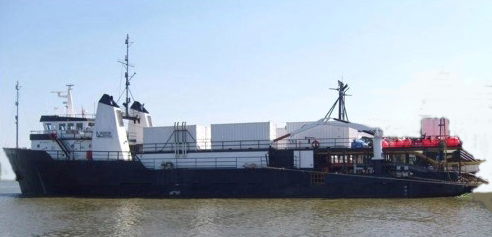
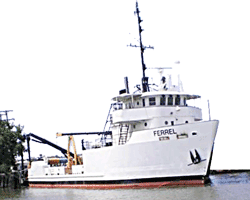 Oceanographic Vessel (Ferrel)R/V IRON CAT
AIRGUN SOURCE / OBS Node VESSEL
181 X 40.5 Feet
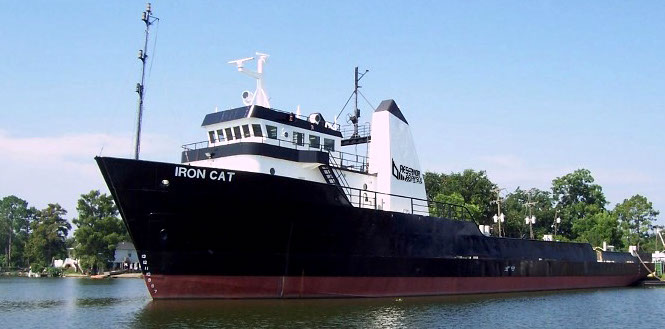
The Iron Cat can operate as a single source marine air gun vessel with a large source array on three (3) or four (4) array strings or in dual source configuration with addition of paravane equipment. The vessel and equipment is available for inspection at your convenience.
The Iron Cat has previously operated in the Gulf of Mexico as a seismic air gun source vessel and as a single ship marine seismic source and ocean bottom node vessel for very long offset refraction data acquisition. The Iron Cat has also operated for high resolution 3D data acquisition with air gun source and the multi-streamer P-Cable System. The vessel is 180 feet in length with a 40.5 foot beam and 10 to 12 foot draft. Fuel economy is outstanding at approximately 1500 gallons per day in air gun operational mode and 2000 gallons per day when traveling.
The R/V Iron Cat has just completed the ABS Load Line inspection in dry dock and has received the new ABS Load Line dated August 22, 2013, with the next ABS Load Line dry dock inspection not due for five years until August 22, 2018. Approximately US$1.2 Million was expended in dry dock during the last several months to bring the vessel hull and ballast tank structure complement to specifications required for ABS Load Line approval. The Iron Cat operates as a USCG oceanographic research vessel under USCG letter dated March 26, 2012. The R/V Iron Cat is a well conditioned, rigged and proven seismic vessel which is fully operational with a newly issued ABS Load Line.
The seismic vessel R/V Iron Cat which is at the Reservoir Dock in Amelia, LA, and is currently available for purchase as equipped and rigged. Additional information is available on request and inspection can be arranged at your convenience.
Seismic Equipment Rigging and Description
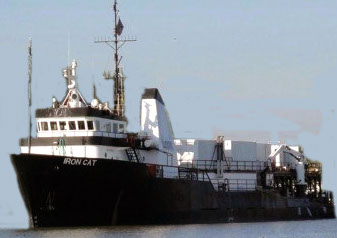
The vessel has an Upper Back Deck of 100 X 32 foot dimension which completely covers the main back deck and encloses much of the lower main deck including the compressor room facility. The Upper Deck includes a 20 X 24 foot instrument/electronics laboratory designed for seismic instrumentation, navigation systems and seismic/marine node instrument preparation and maintenance. The lab is equipped with built in work tables, power supplies and distribution, air conditioning and freight doors for movement of marine seismic node units.
Four (4) air gun strings complete with umbilicals with seven stations on each string. Air gun bundles and cables, deployment cables and chains for all stations and complete eighteen (18) inch flexible flotation systems for the four (4) air gun strings. Inventory of one hundred (100) I/O sleeve air guns of various chamber sizes from 70 to 300 Cubic Inches with complement of spares, rebuild kits, hydrophones and transducers.
Real Time Systems 72 Channel RTS Big Shot air gun controller system mounted in the Upper Deck laboratory.
Two (2) dual drum umbilical reels mounted forward on the back deck work area complete with hydraulic power systems and controls and two (2) air gun work shop rooms. Overhead hydraulic winches and power systems on rail system for four (4) air gun strings.
Enclosed compressor room on the Main Deck with eight (8) 2000 PSI compressors complete with high pressure air distribution and Fisher control valves. Exhaust systems for compressor engines are distributed on either side of the vessel above the Upper Deck. Air distribution and exhaust systems are installed overhead to free Main Deck work space areas.
General Specifications RegistrationFlag United StatesHome Port Freeport, TexasOfficial Number 613520Call Sign WDB7074Builder / Year Halter Marine / 1979Hull Number 713Tonnage 287 GRTLast Dry Dock Aug 2013Rebuilt June 2008, Aug 2013ABS Intl Load Line Issued 22 Aug 2013 CharacteristicsLength, Overall 181 FtBeam 40.5 FtDepth 14.0 FtMaximum Draft 12.0 FtOperating Draft 10.0 FtLight Draft 7.0 FtFreeboard 4.0 FtDeck Space (Stacks Are Forward) 110 FtDeck Strength 540 Lb/SqFtMinimum Height 48 FtMachineryMain Engines ( 2 ) CAT D399TA Horsepower 2250Gears ( 2 ) Reintjes WAV 1400, 4:1Propellers( 2 ) 4 Blade 76 In X 70 InGenerators ( 3 ) 2 GM 8V71 / AC Delco 99 KW 1 GM 8V71 / AC Delco 125 KWBow Thruster ( 1 ) Murray & Tregurtha Driven By GM 8V-71 300 HP ElectronicsRadars Furuno NAVNET W/GPS 2Stern Controls In Wheelhouse 1Radars Furuno NAVNET W/GPS 2 Marine Radios/Weather FAX/ Auto PilotAIS System & SSB Radio 1 EachAuto Pilot Simrad AP50Safety EquipmentSOLAS Life Rafts Type 24 Man 4Life Vests/Work Vests USCG 70Firefighting Pumps/Hoses/ExtinguishersFire Fighting System 5X15 Double PumpFire Spray Nozzle On Wheel HouseEngine Rm CO2 System W/ Monitor 1Galley CO2 System 1Infirmary Upper Dk W/ First Aid Kits 1 Capacities & EnduranceDeck Cargo 555 LTFuel Oil 50,000 GalLube Oil 1,520 GalFresh Water 26,000 GalSea-RO Water Maker 3000 Gal/DayEnv Marine Sewage 2 SystemsEndurance For Travel At 10 Kt 25 Days Source DescriptionSingle Source Airgun Array 7200 Cubic InchesSingle Source Airgun Array 3390 Cubic InchesDual Source Airgun Arrays At 3000 Cu InRTS Big Shot 72 Channel Air Gun ControllerCompr Sys W5 X 8 For 1600 CFM At 2000 PSI Quarters and FacilitiesMain Deck & Fcsl Deck 22 QtrsUpper Deck 100 X 32 Ft W/ 10 QtrsLab Upper Deck 24 X 20 Ft 1Offices & Storage Upper Deck 3Rec Room Upper Deck 1Galley/Dining Area/Walk-In Cooler/FrzrAir Conditioning / Heating 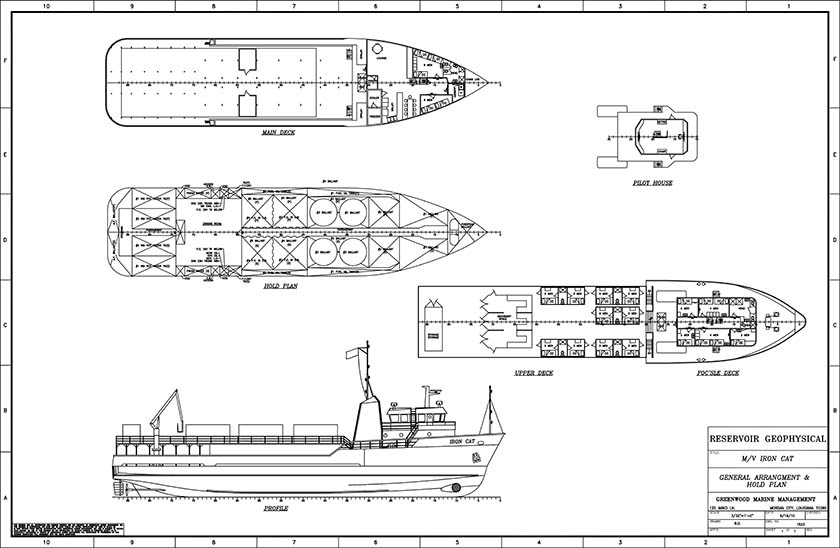
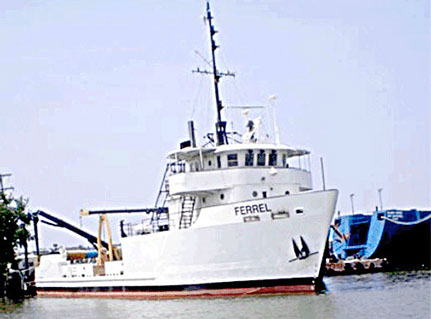
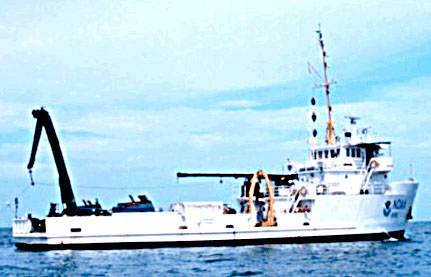
Oceanographic
Vessel Ziegler Shipyards (Ferrel)
146 X 32.0 ft
General Specifications
Registration
Flag USA
USCG Doc No. 1182802
Designer/Builder Ziegler Shipyards / 1969
Gross Tonnage 197 Tones
Dimensions ( Feet)
Length 146
Beam 32.0
Depth 10.5
Draft 6.0
Mechanical
Main Engines CAT D 353 Diesel (2)
Power 750 HP
Reduction 3.04:1
Propellers 4-Blade Fixed Pitch (2) 60 Inch Diameter Bow
Generators CAT-KATO 440V AC 150KW each (2)
Cabins and Rooms
Main Deck 11 Man Rooms
Upper Deck 100X32 ft w/ 10 Rooms
Fcsl Deck 3 - 2 Man Rooms
For more information about Reservoir Geophysical please visit www.reservoirmarinellc.com
Xclose
Xclose
United Russian American Association
Elena Philips: "Eight years ago, a nonprofit organization was established to join the efforts of several existing centers..."
United Russian American Association Elena Philips: "Eight years ago, a nonprofit organization was established to join the efforts of several existing centers. The new organization gathered people on a voluntary basis with experience to work with the Russian-speaking residents of Houston and the surrounding areas." 
 Elena Suvorova PhilipsPresident Масленичная Маёвка9 Марта 2013
 easySeis был там.НА ВСЯКОГО МУДРЕЦА премьера 20 Апреля 2013
  easySeis был там.ДЕСЕРТ ПО ФРАНЦУЗСКИ21 Апреля 2013
 easySeis был там.
 Even the name is not accidental:United Russian American Association (URAA) or Joint Russian-American Association URAA has been in contact with the Russian Consulate (Houston) and the Embassy of the Russian Federation (Washington, DC). The representative of the URAA attends meetings of the International Committee for Europe at Houston City Hall. The organization was awarded a diploma of Houston City Hall for charity. Among the initiatives of URAA are the following: Festivals ("My Family" -2008, "The Great Russian Word" -2009, "I'm proud!" -2010, "Captain of the Earth" -2010-2011, "Slav" -2012, "Texas Performing Arts Festival" -2013). Annual Russian Celebrations ("Pushkin is our everything", "Life is good," "The Three Musketeers", "One Thousand and One Nights," "Myths and Legends of the Ancient World", "Parade of the Planets"). Annual celebration of March 8 ("The Barber of Texas", "Disco 80s", "On the wave of my memory," "The Extraordinary Adventures of Italians in Texas," "Spring on Zarechnoj Street", "Earth in a window", "For the ladies! "" Pancake Mayovka ") The annual celebration of "Noyabrevka" dedicated to Unity Day. The annual celebration of Neptune dedicated to the last summer Day. We organize Christmas tree parties for children and Carnival Celebrations in the Park, the Days of Russian Culture in American schools, celebrations and meetings of veterans in the Russian club house for elderly people, and we print "Texas A to Z" newspaper and it is the only russian newspaper in Texas. We also organize russian literature readings. We support the annual Mayday meetings. We do sponsor the Russian Theatre of Houston, child dance studio "Dawn, plus" the Children's Theatre "Joy", and the women's club team called "What? Where? When" the theater group" Enterprise, "and other non-profit organizations of Texas and America.We try to work with different cultural centers in Houston. The organization participates in activities of children adopted by American families from Russia. Classes are held for teaching basics of culinary arts in Russian cuisine. Many exhibitions and presentations have been devoted to Russia at rallies of scouts and in colleges.We can clearly see our goals and the key directions are the union of compatriots and the need to promote Russian culture and traditions. You are welcome to join our organization as a member, sponsor, or volunteer helpers. For more information please visit www.uraa.us URAA, URAA, URAA! www.uraa.us

Xclose
Xclose
Products
Partners